Creating food forest
parks stewarded by
local communities.
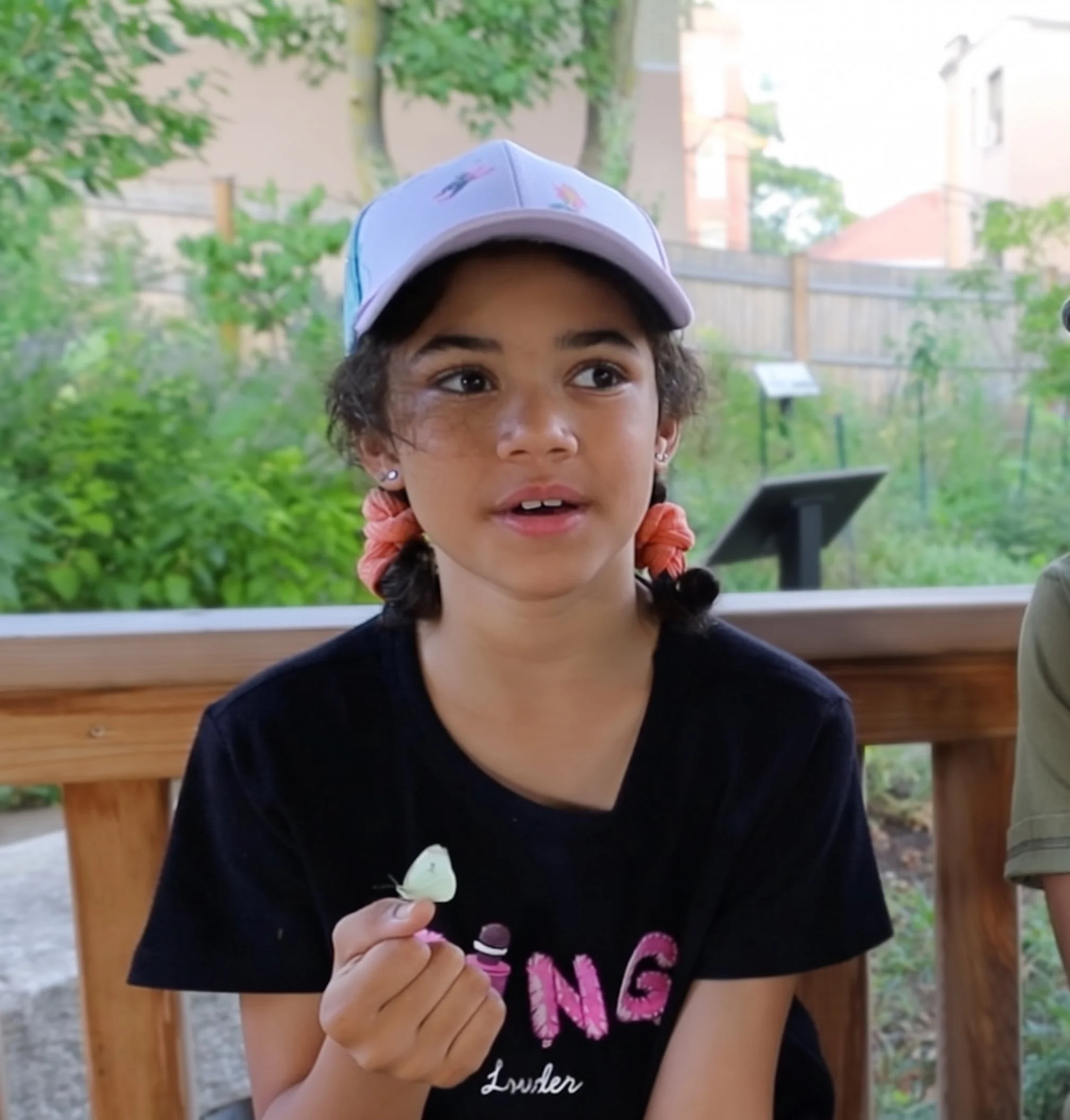
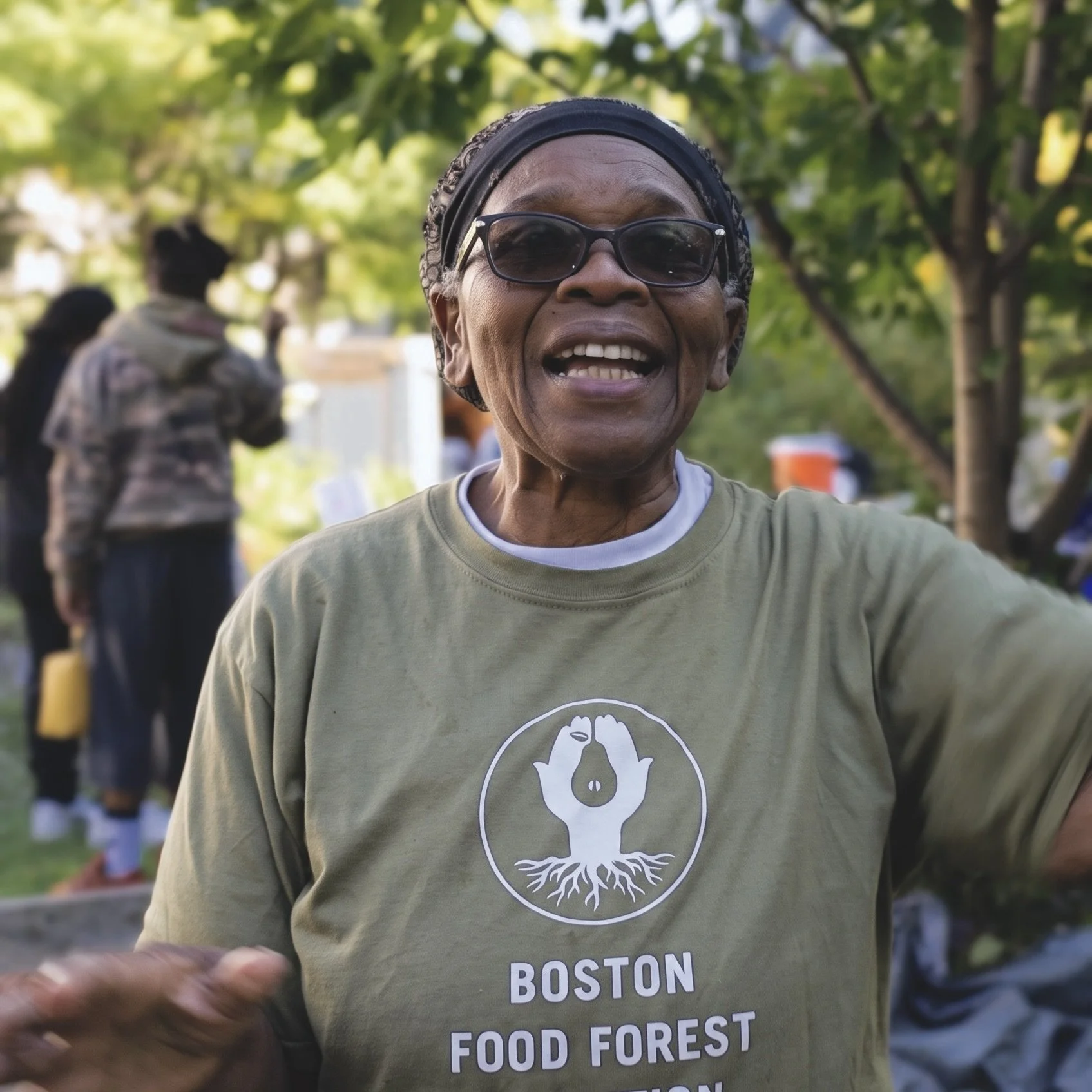
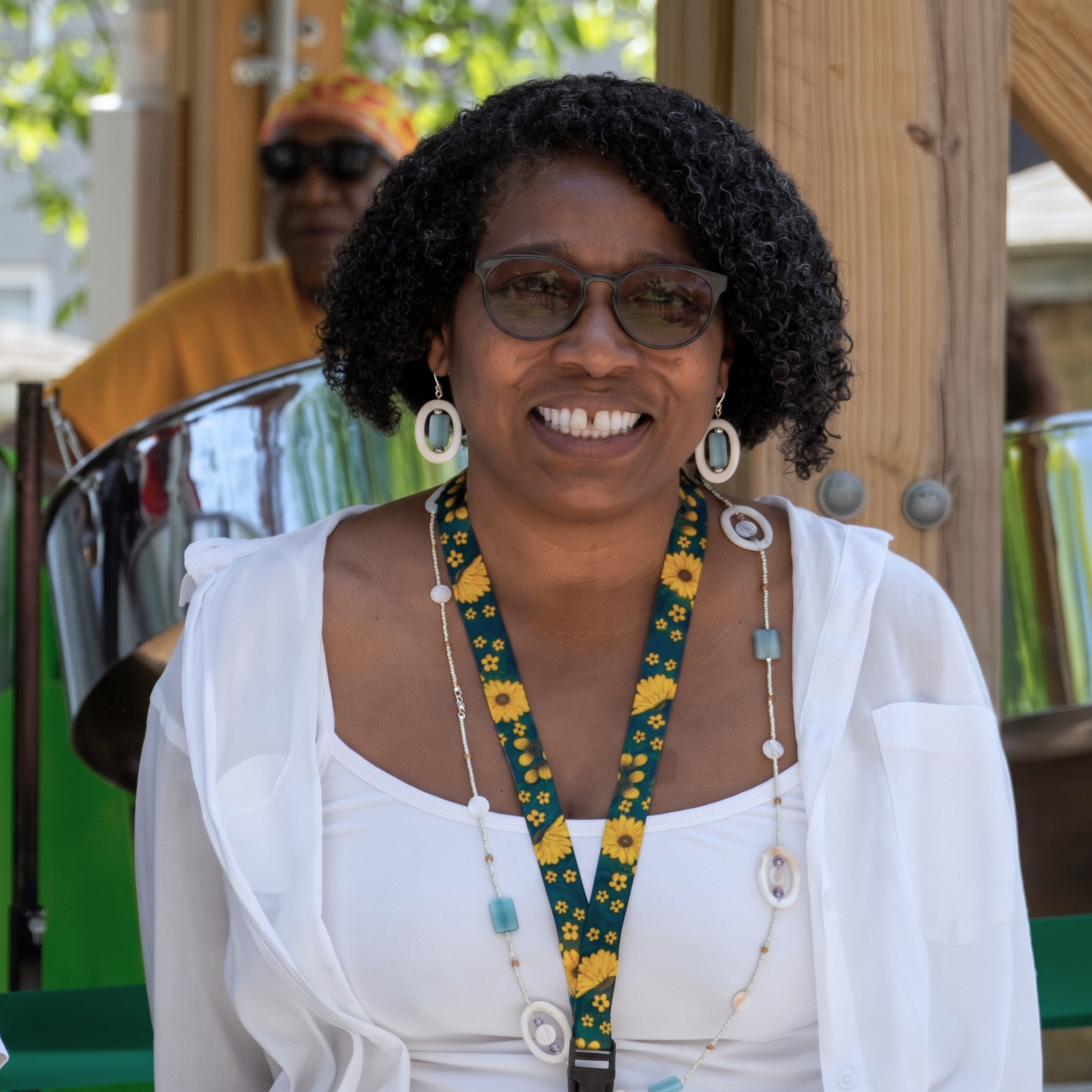
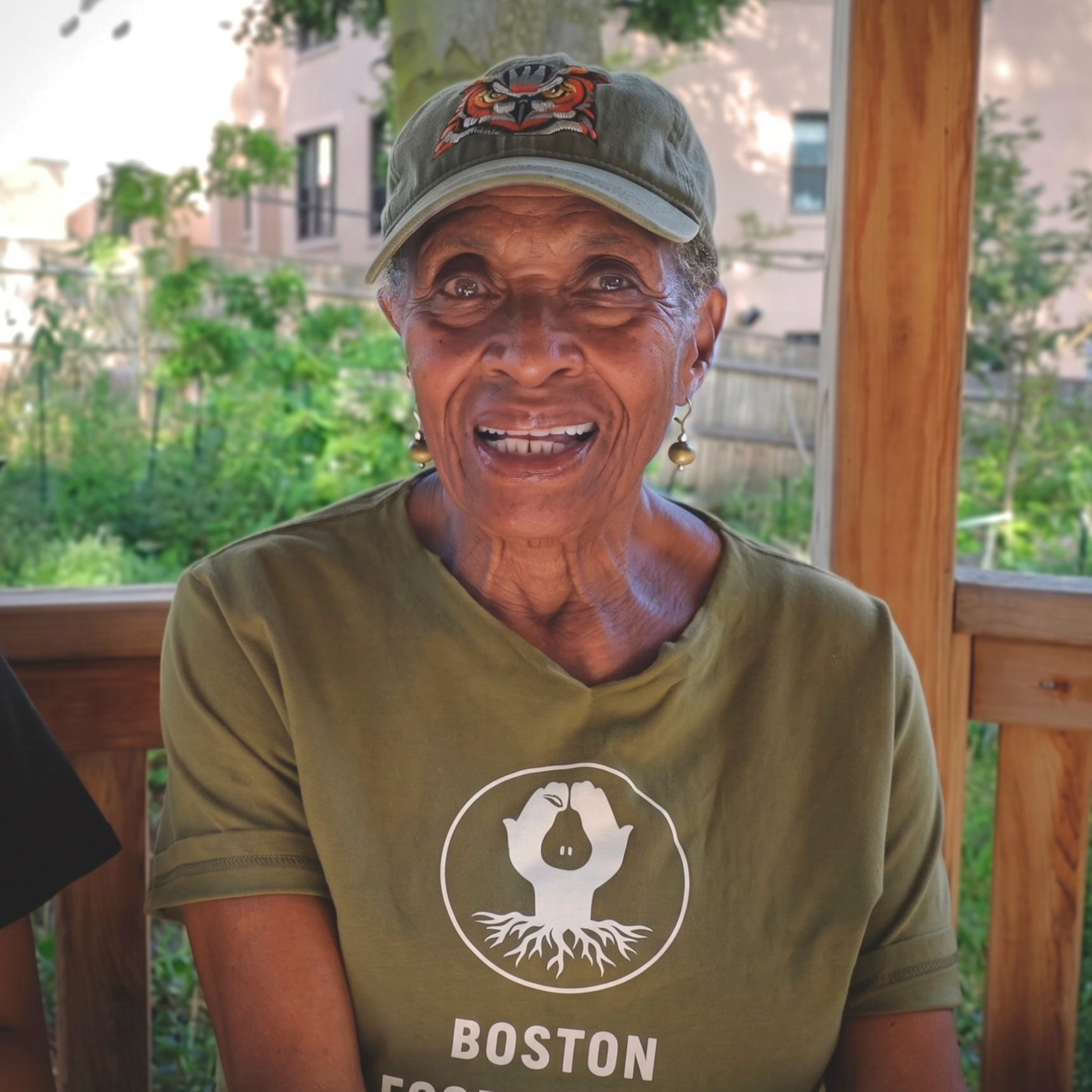
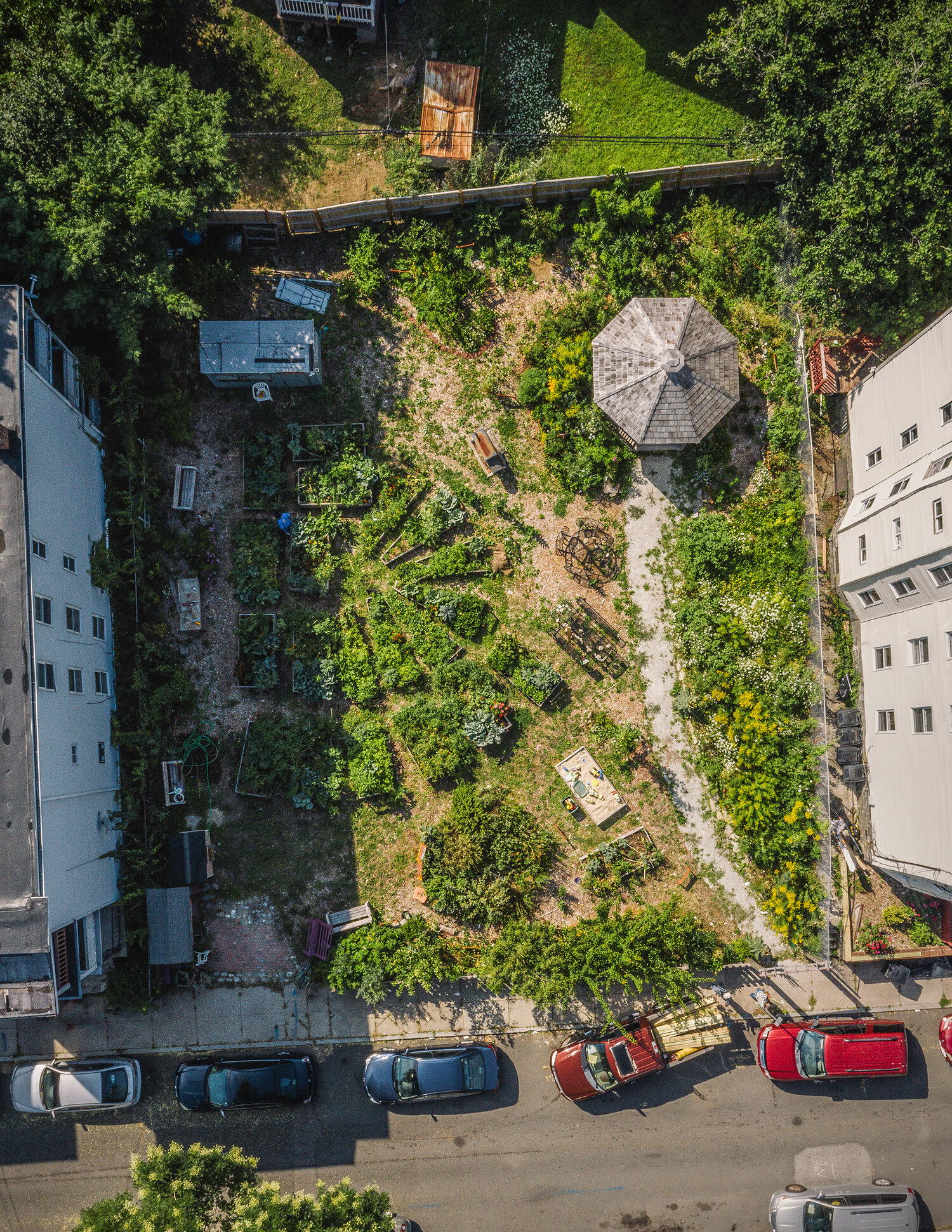
We are a coalition of neighbors transforming vacant lots into food forests.
Together, we are building public edible parks – tended by neighbors and permanently protected in our community land trust.
Learn more about what we do:
Food Forest Design & Construction
Food Forest Maintenance & Workdays
Community Programming & Events
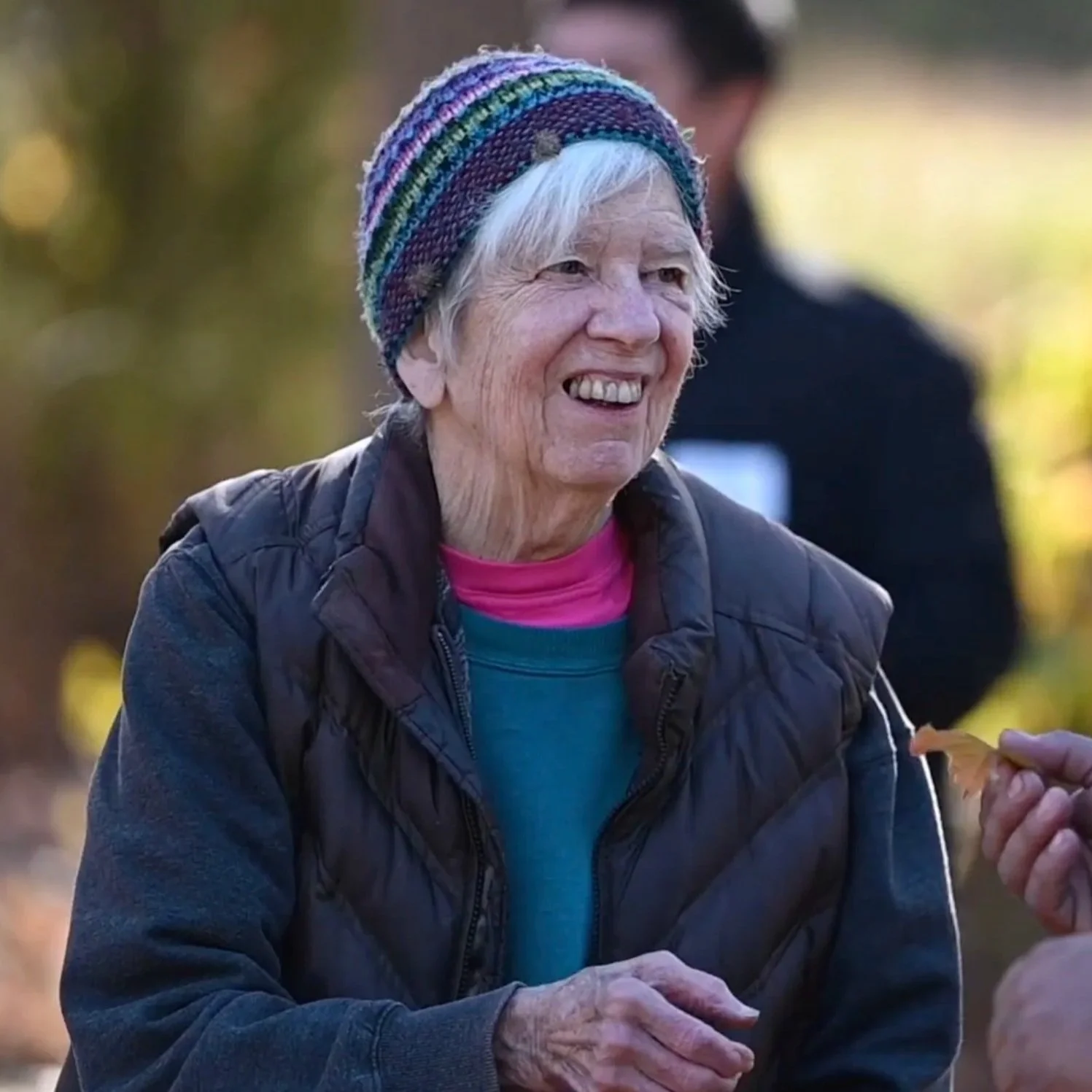
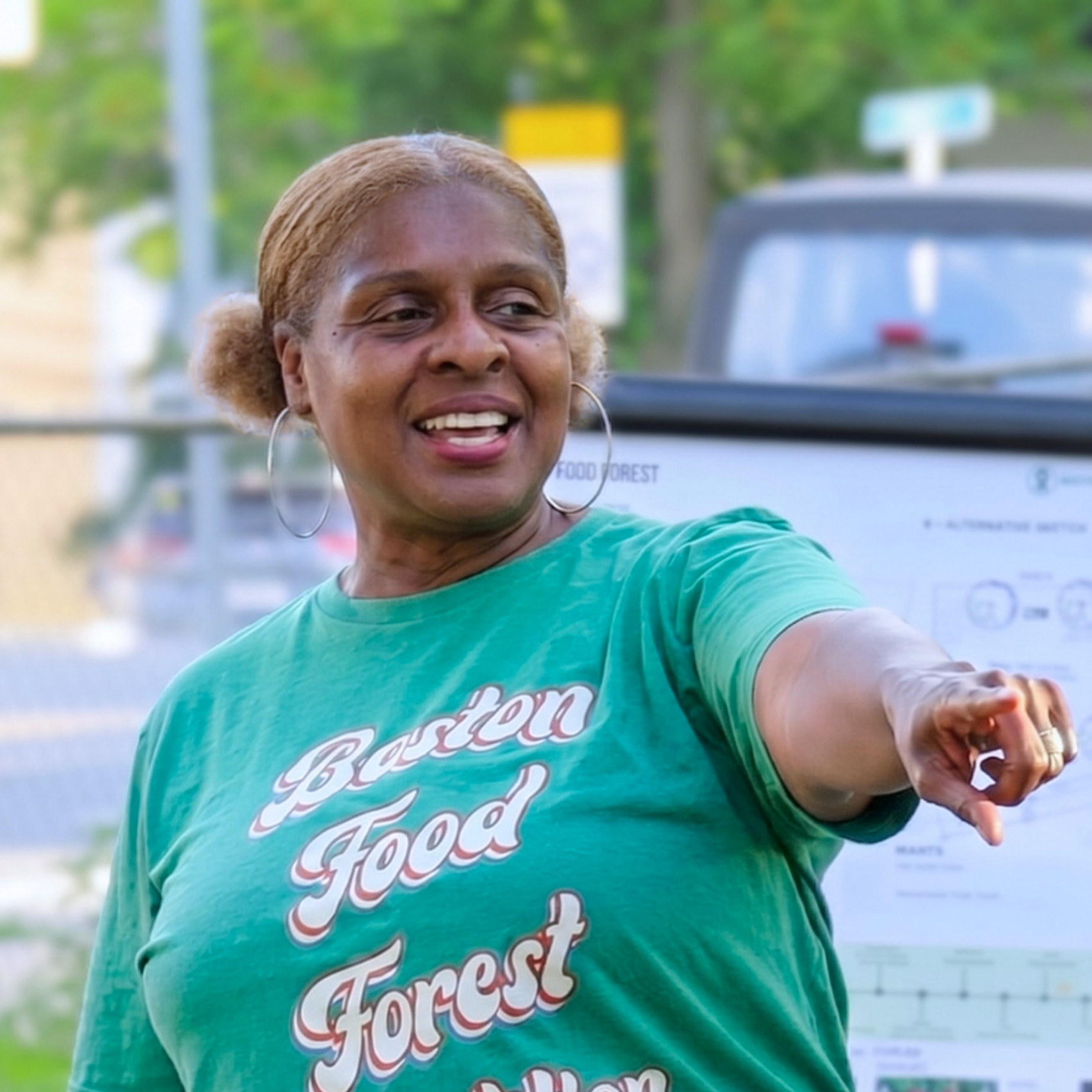
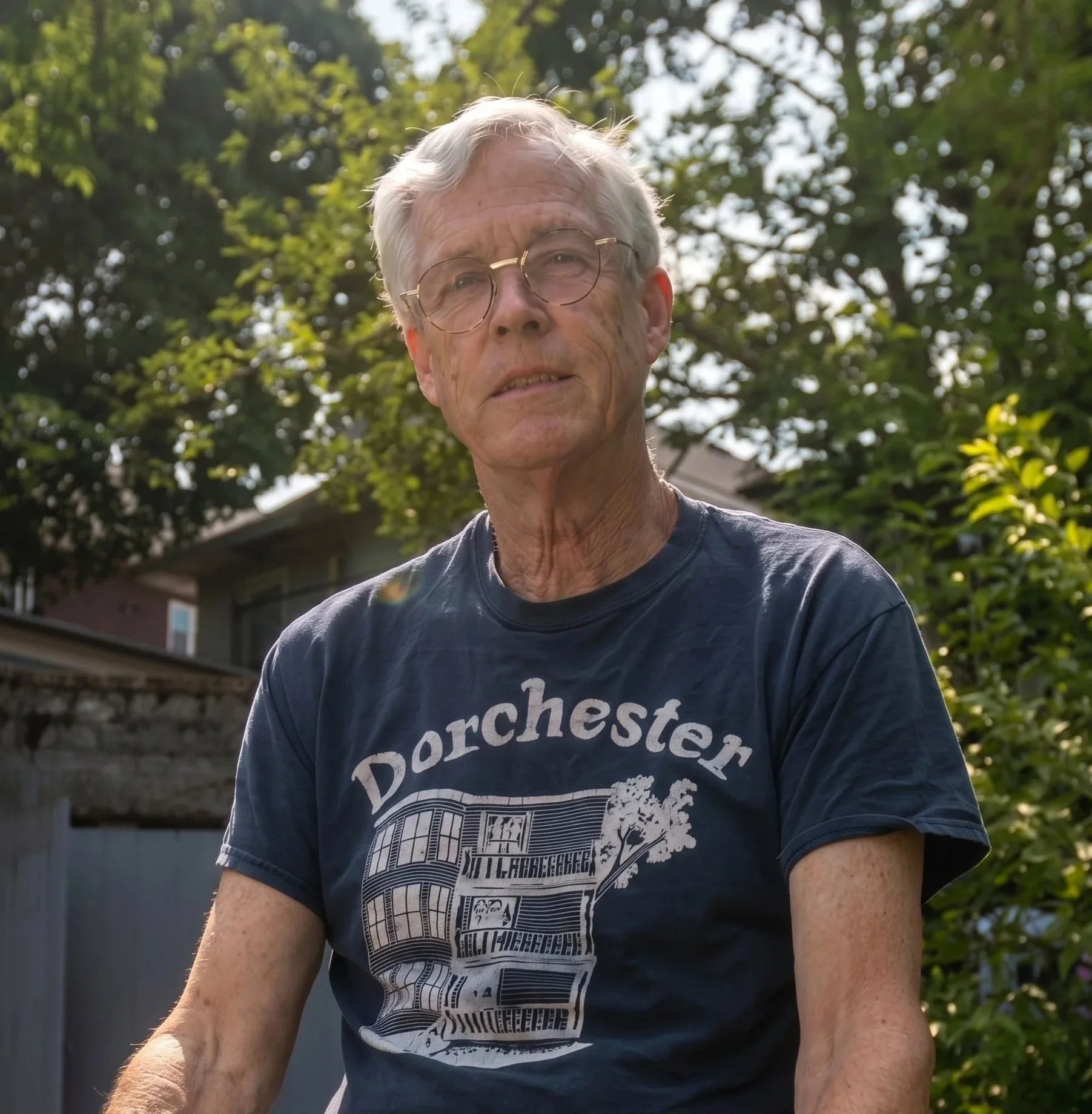
Food forests can heal the land and the people.
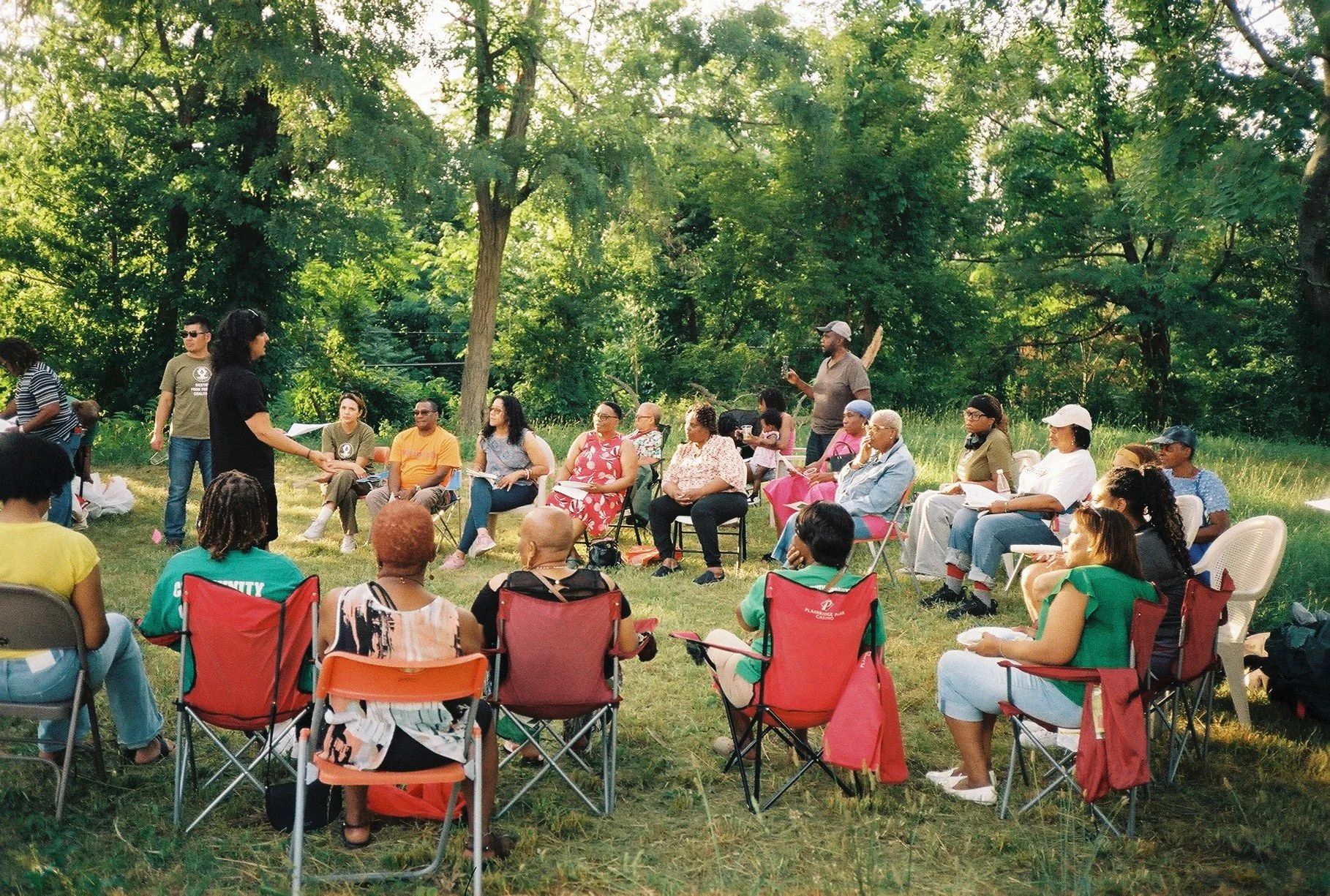
Our community co-design process, local stewardship teams, and community land trust model build social resilience in an era of disconnection and fraying democracy.
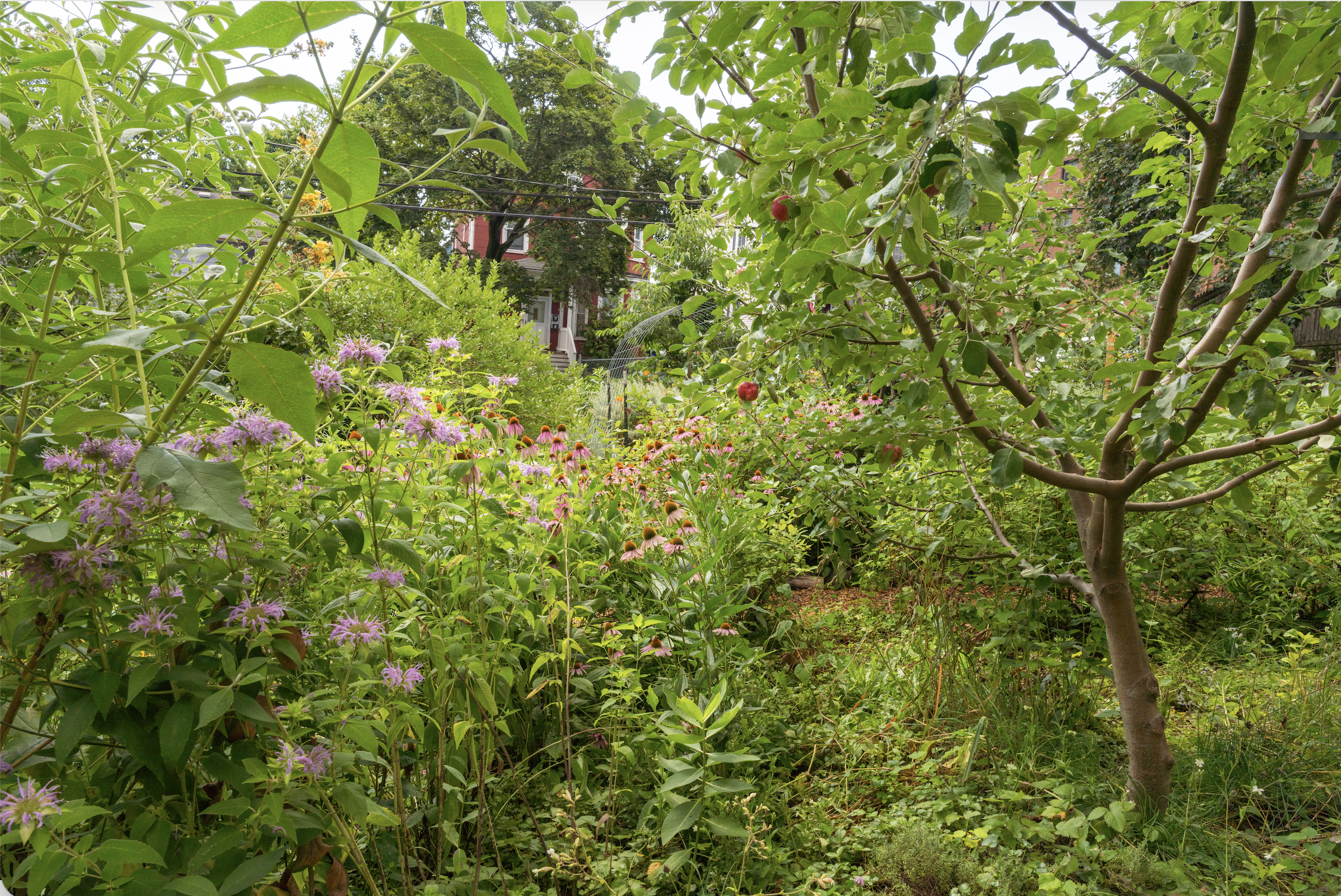
Densely layered plantings – designed to mimic the structure and intelligence of natural forests – cool air temperatures, regenerate the soil, absorb stormwater, and improve biodiversity.
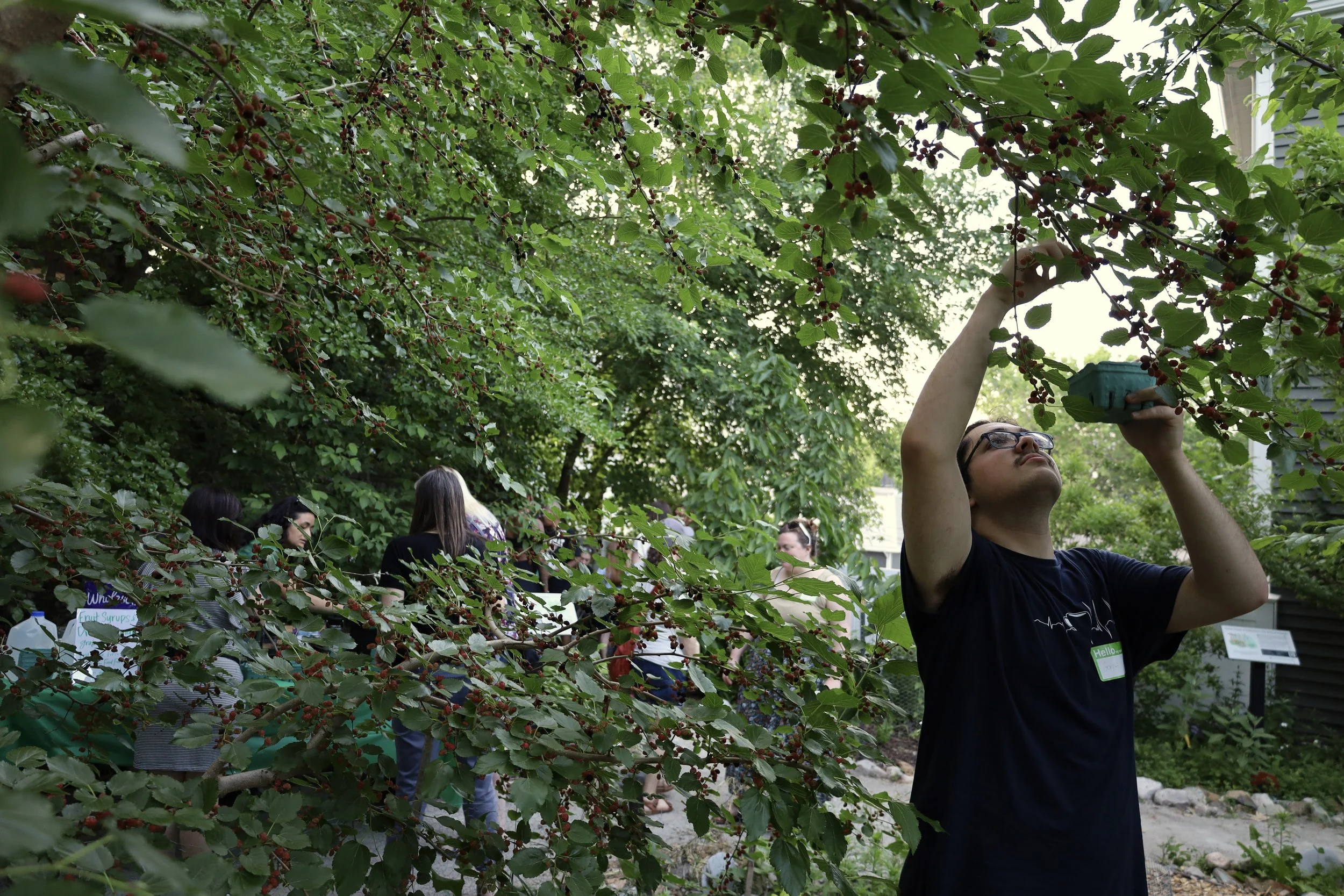
Our food forests offer freely accessible, nutrient-dense, and culturally relevant food crops that grow back year after year, available for anyone to harvest.
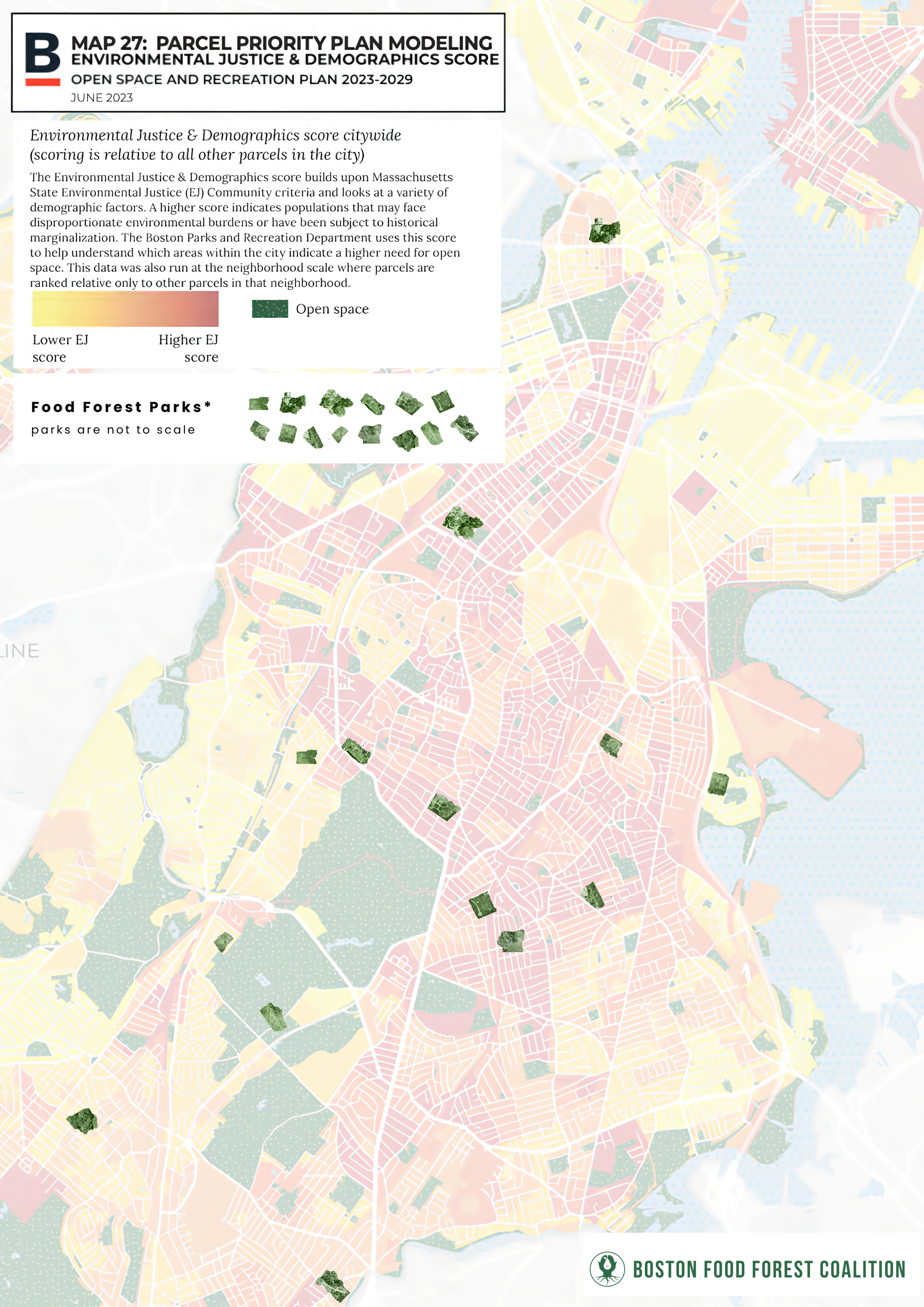
We have a once-in-generation opportunity to extend Boston’s legacy of public green space into formerly redlined communities.
The Emerald Necklace is a powerful example of Boston’s past investment in public green space, yet, today Boston’s park access is still inequitable – majority Black and Brown neighborhoods have 20% less access to parks, 40% less tree canopy, and are 7.5 degrees hotter in the summer. We owe our children and grandchildren a more equitable, climate resilient future.
Land is a finite resource. We have to move fast.
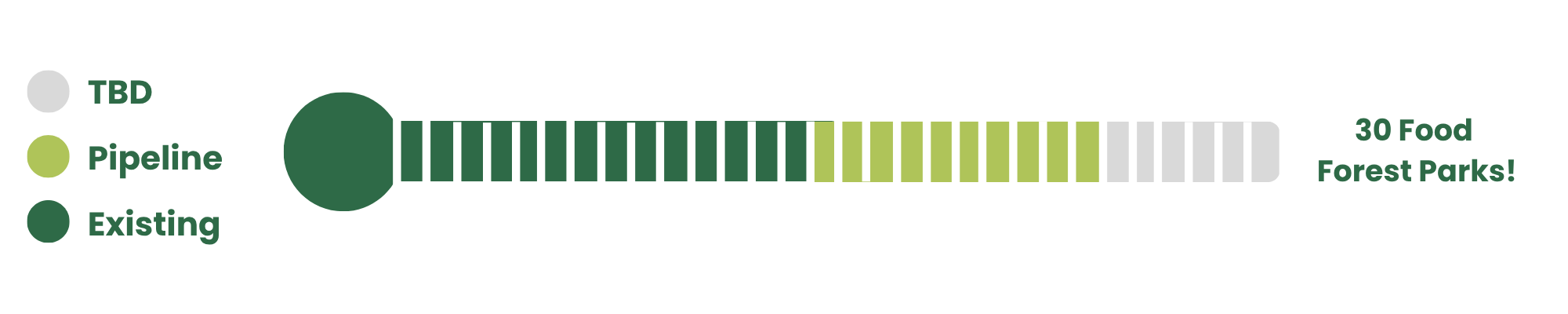
Only a few hundred parcels are designated by the city as open space, and at the current rate of development we could be functionally out of land to develop as food forest parks by 2040. We’re working shoulder-to-shoulder with neighbors to open 30 food forests by 2030 – and beyond.