
EMERGING PARKS
30 Food Forests by 2030
BFFC is building a permanent corridor of green space with equity and neighborhood leadership at the center. Together, we plan to break ground on 30 food forest parks by 2030, endowing future generations with critical green infrastructure for climate and community resilience.
To explore existing parks that are open to public, please visit our Parks directory webpage.

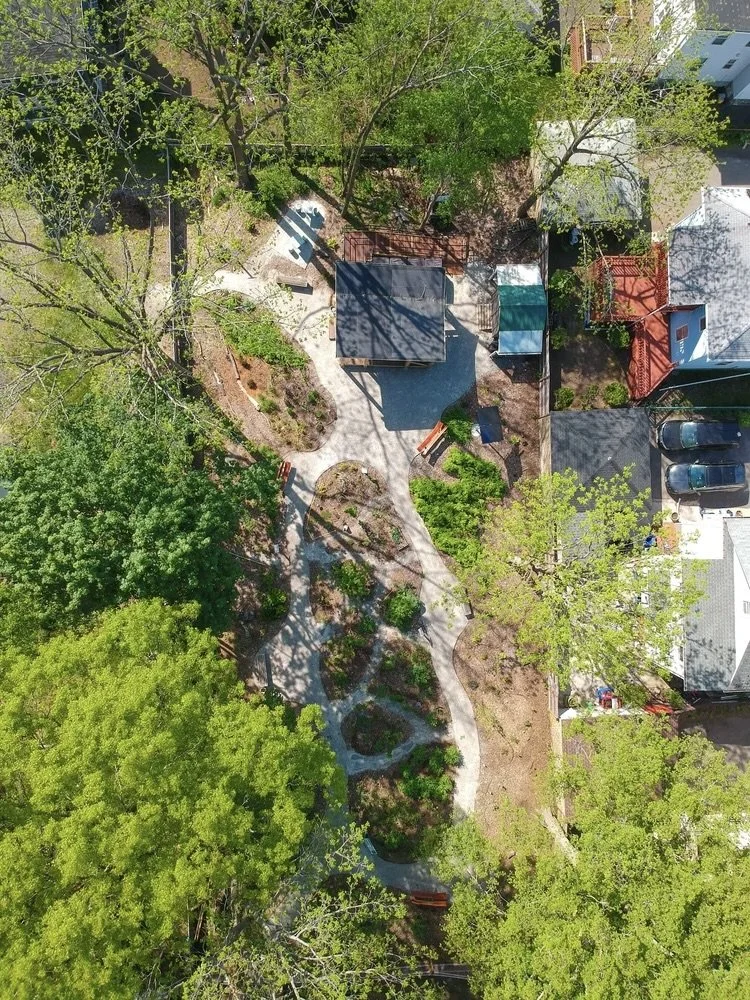
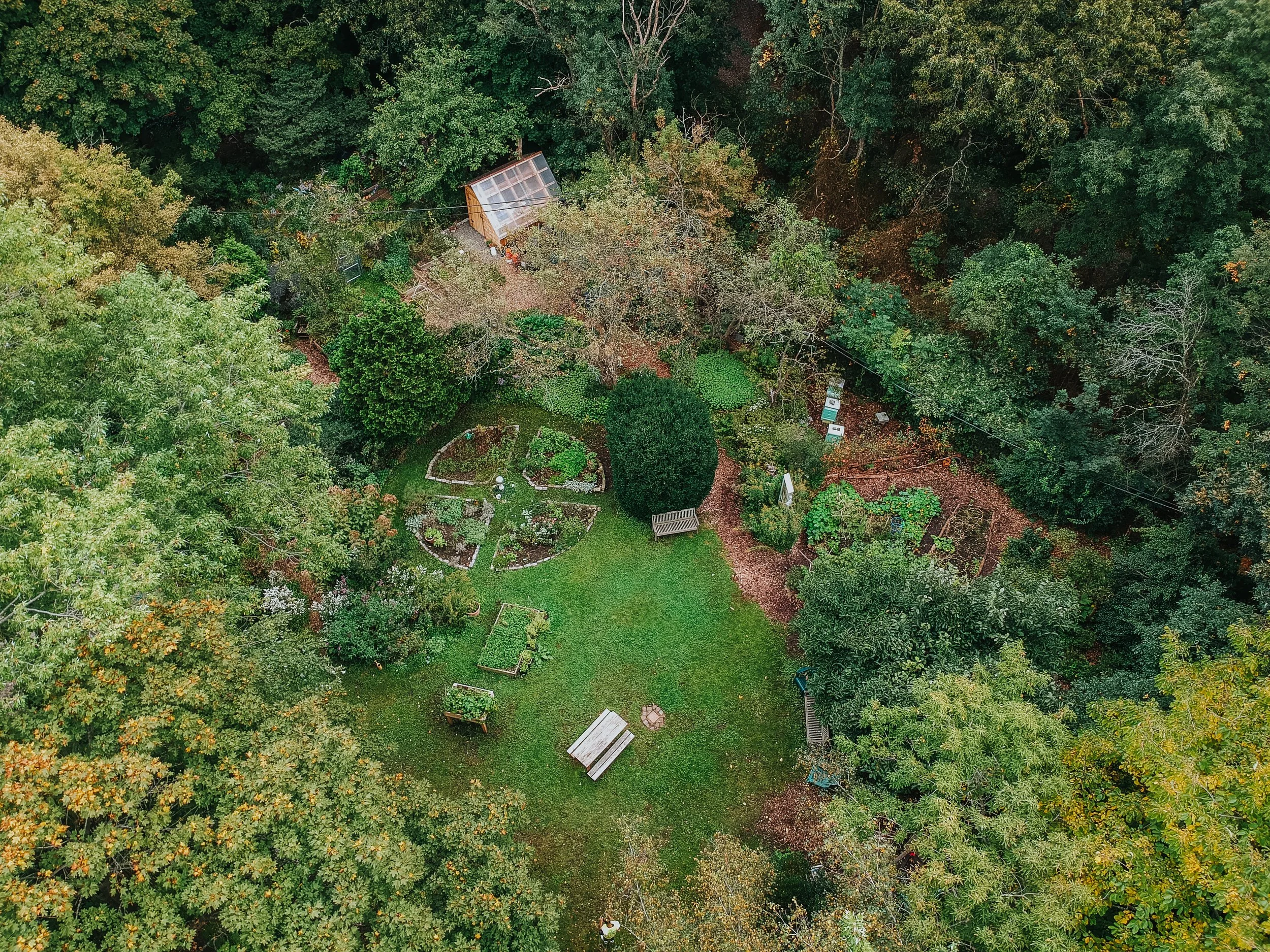
Where We’re Building
-
Allston Brighton Food Forest
Address: TBD
Site Type: Land Trust Site
Project Details: In 2026, the Conservation Law Foundation sued the bus company Academy Express for breaking clean air laws by unlawfully idling vehicles around Greater Boston, including Allston Brighton.
A substantial portion of the $5.6 million settlement will be paid to Boston Food Forest Coalition and the Allston Brighton Health Collaborative to fund air monitoring and urban forestry work.
Our funds will ultimately be used to build a food forest project, and we are currently working out the project specifications in partnership with Allston Brighton Health Collaborative and community members.
This lawsuit is a win for a neighborhood that has been exposed to higher levels of pollution, not only from idling buses, but ever since the Mass Pike was carved right through the middle of it. Building a single food forest is obviously not going to fix pollution in Boston, but the settlement is a great example of how we can acknowledge harm by investing those pollution penalties back into the community, in the form of permanent green infrastructure.
We see food forests as public health infrastructure, providing shade, healthy food, pollinator habitats, stormwater absorption, erosion prevention, improved air quality, and even mental health benefits like reduced anxiety and stronger social ties.
Community Partner(s): Allston Brighton Health Collaborative
Project Phase: Grassroots Organizing
Estimated Opening: TBD
-
Codman Square Food Forest
Address: TBD
Site Type: Land Trust Site
Project Details: In 2024, the local community development organizations began conversations to create public edible green space for neighbors to gather. They reached out to the Mayor’s Office of Housing (MOH) – which develops public green space primarily through land deposition and its Grassroots Open Space Development Program – to inquire about a lot in their neighborhood. Boston Food Forest Coalition has helped facilitate festive gatherings and visioning sessions to help the community’s vision for this space.
Community Partner(s): Boston Project Ministries, Codman Square Neighborhood Development Corporation
Project Phase: Awaiting RFP release from the city
Estimated Opening: 2028
-
Four Corners Food Forest
Address: 89 Radcliffe St. & 116 Norwell St
Site Type: Land Trust Site
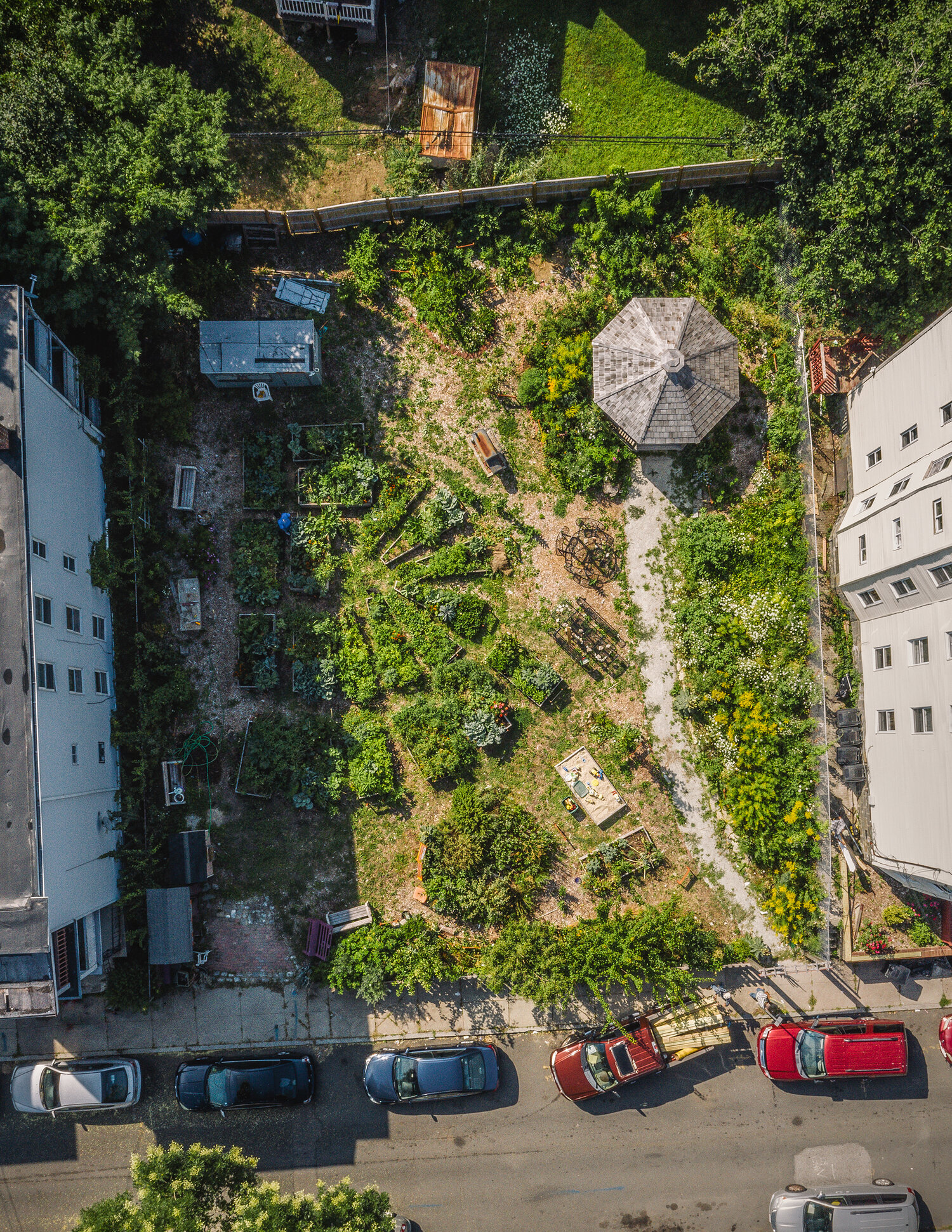
Project Details: Neighbors in the Norwell-Radcliffe neighborhood reached out to us in 2022 to begin discussions about creating a food forest park for their neighborhood. The Greater Four Corners Neighborhood Association fought for the space to be designated as green space for the community. Neighbors had maintained grass, flowers, and plants on the vacant lot for many years. From the first community design conversations in January 2023, neighbors have been excited to grow perennial foods and to create a vibrant space for community enjoyment and connection with nature, including protecting existing mature trees on site.
Community Partner(s): Four Corners Neighborhood Association; Trust for Public Land; Community Preservation Act; Mayor’s Office of Housing; Washington-Harvard-Norwell Neighborhood Association; GrowBoston
Project Phase: Construction
Estimated Opening: 2026
-
East Boston Food Forest
Address: 301-307 Norfolk Street & 82 Mascot Street
Site Type: Land Trust Site
Project Details: Neighbors had used these adjoining lots for gatherings years ago but had a vision to activate and transform them into something connecting and nourishing for the community. Three neighborhood associations have been working closely together with the Boston Food Forest Coalition and local city officials to develop these adjoining lots into a food forest.
Community Partner(s): ROC (Redefining Our Community), WANA (Woodrow Avenue Neighborhood Association), Dorchester Unified Neighborhood Association (DUN)
Project Phase: Boston Food Forest Coalition is the Tentative Developer in the Community Design Process
Estimated Opening: 2027
-
East Boston Food Forest
Address & Site Type: TBD
Project Details: We are currently exploring site options for a food forest park in East Boston in collaboration with Tree Eastie.
Community Partner(s): Tree Eastie
Project Phase: Grassroots organizing
Estimated Opening: TBD
-
Highland Park Food Forest
Address: Millmont Street
Site Type: Land Trust Site
Project Details: Since 2022, neighbors have wanted to transform this lot into a miniature food forest featuring fruit trees, berry bushes, and a pollinator garden. The old garage will also be renovated into a space for gathering and gardening storage.
Community Partner(s): Highland Park neighbors
Project Phase: Boston Food Forest Coalition is the Tentative Developer
Estimated Opening: 2027
-
North American Indian Center of Boston (NAICOB) Food Forest
Address: 105 South Huntington Ave, Jamaica Plain MA
Site Type: Coalition site, owned by NAICOB
Site Details: The North American Indian Center of Boston (NAICOB) has operated out of its office on South Huntington Avenue in Jamaica Plain since 1974. We are working together to transform the center’s 400- square-foot backyard into a food forest, supporting food and land sovereignty for urban Indigenous communities. By developing this space at the Center, the NAICOB community will foster intertribal knowledge-sharing and build intentional relationships with traditional medicines, foods, and more-than-human relatives.
About NAICOB: NAICOB, the oldest urban Indian center in Massachusetts, was originally established in 1969 as the Boston Indian Council (BIC), serving as a hub for social and civil rights activities for Boston’s American Indian/Alaska Native and First Nations communities. Today, NAICOB provides career services, social services and community programming for the Native community in Boston.
Project Phase: Official Coalition Member, ready to kick off design phase
Estimated Opening: 2026
To get involved or inquire about any of our emerging sites contact mark@bostonfoodforest.org

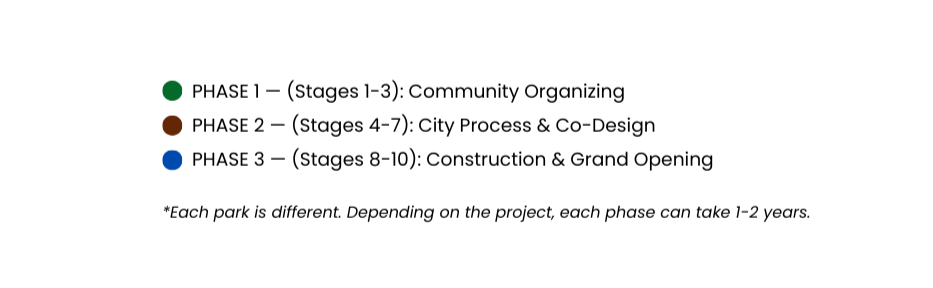
Phase 1: Community Visioning
-
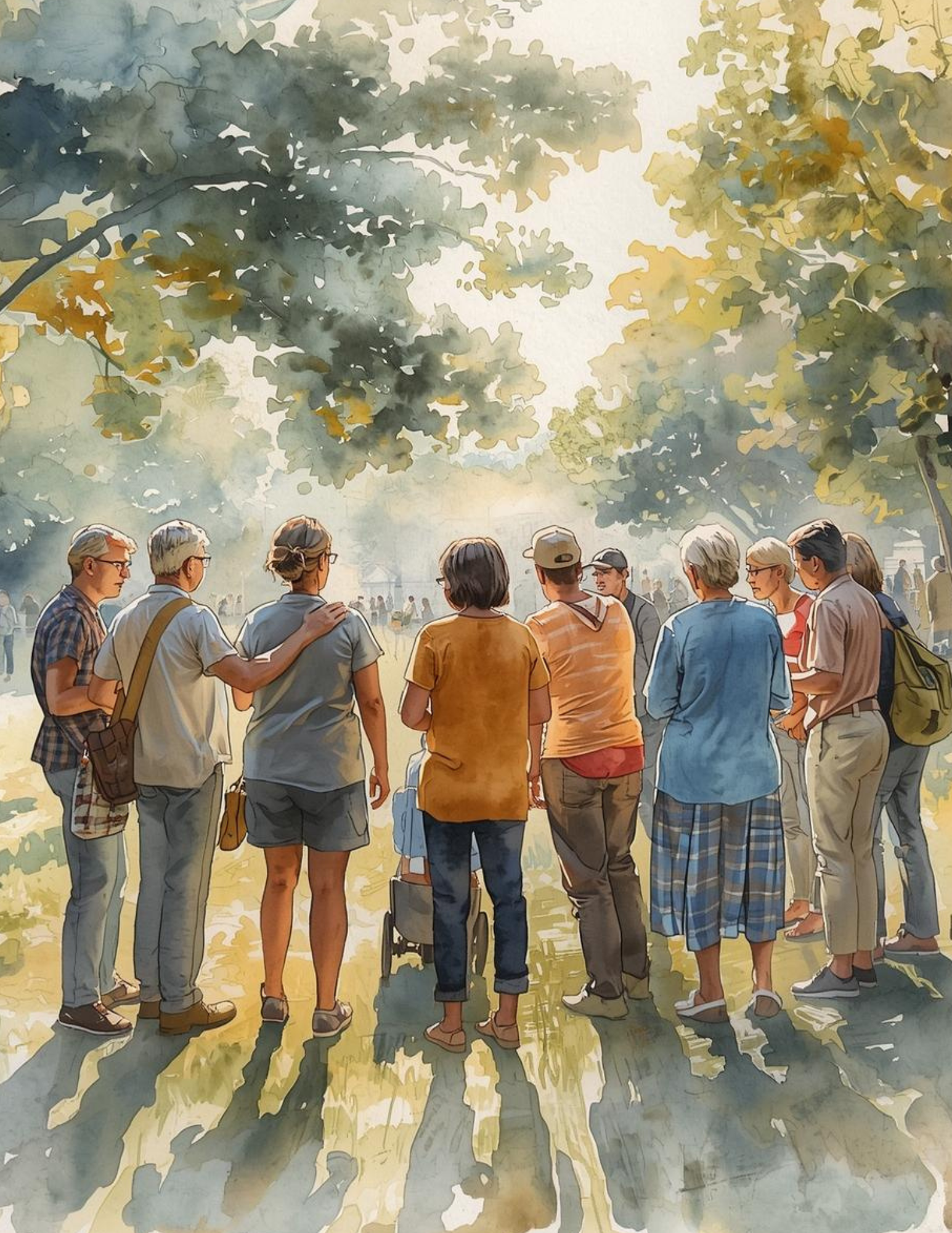
1. Grassroots Organizing
Individuals and groups interested in developing a City-owned lot engage with neighbors, neighborhood associations, and other community stakeholders. BFFC assists or collaborates in this effort.
-
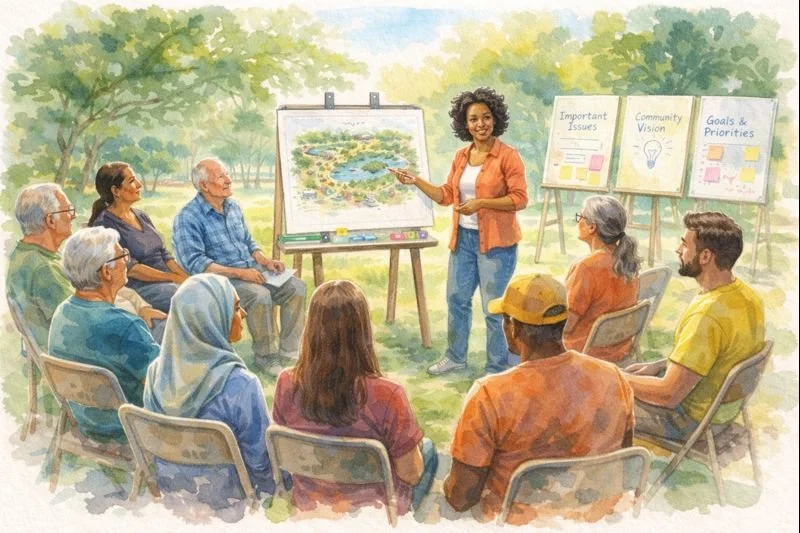
2. Community Visioning Sessions
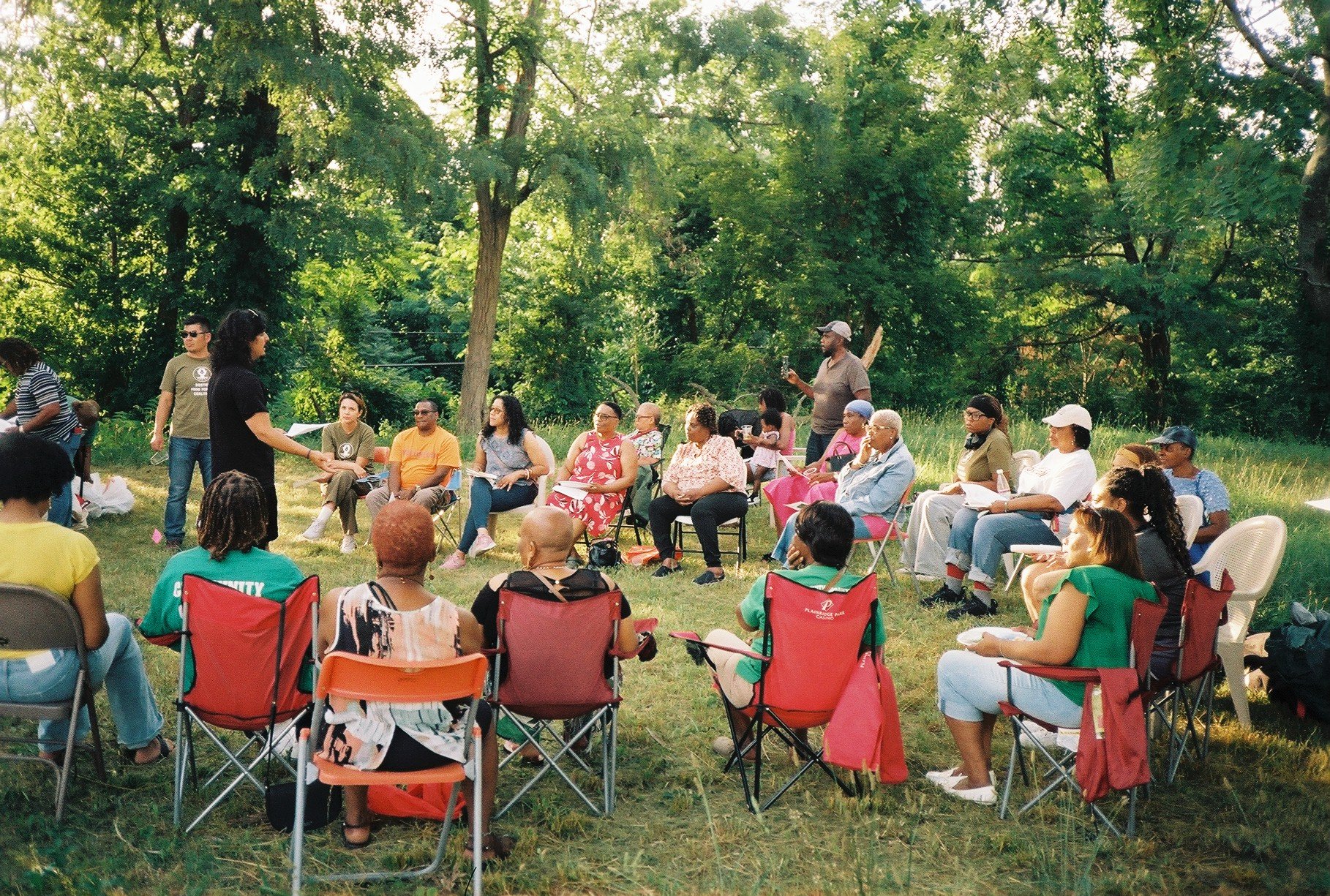
This is an opportunity for individuals and groups interested in developing a food forest park in their neighborhood to create a shared vision for the potential future of the site. This stage includes conversation, drawings, surveys, and/or creative online sessions. This period creates an initial vision for the site that can be developed into a concept plan.
-
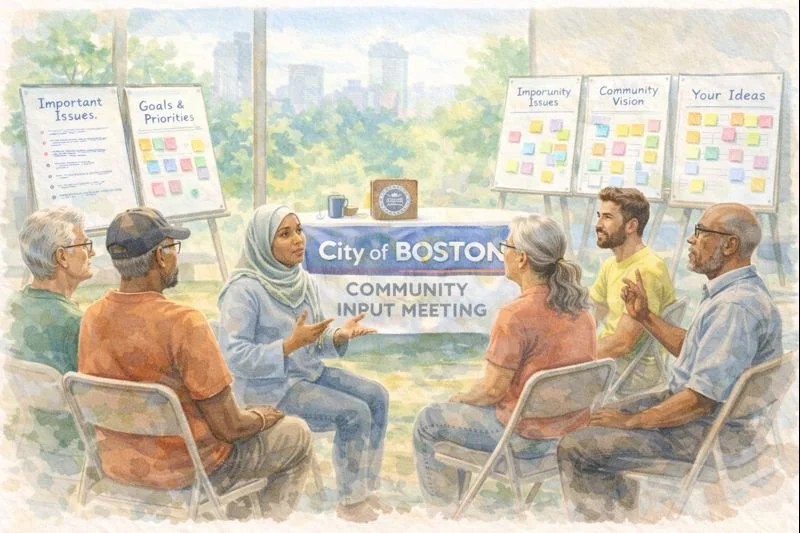
3. Community Meeting
A public community meeting inviting all abutters within a 300+ ft radius of the parcel(s) to provide feedback on the future use of a site.
Phase 2: City Process & Co-Design
-
4. RFP Release
A request for proposals (RFP) by the City of Boston is an open request for bids to complete a new project. RFP’s are released by agencies like the Mayor’s Office of Housing or the Planning Department.
-
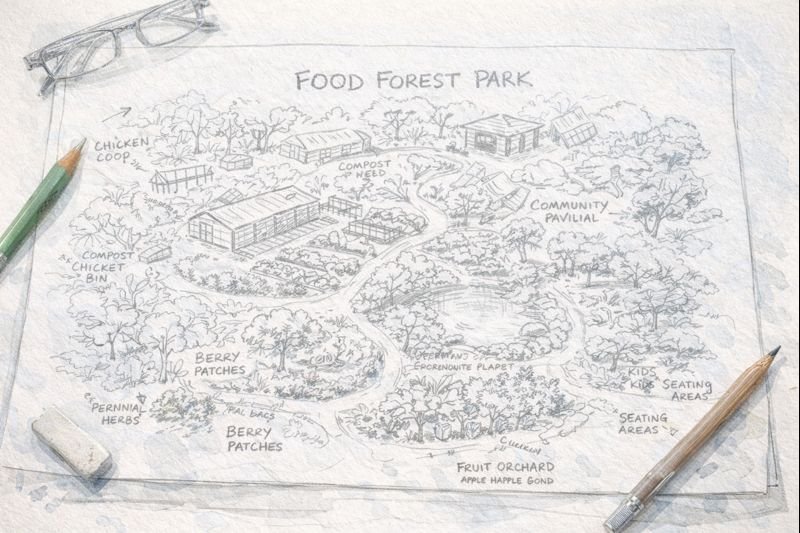
5. Community Design
BFFC leads a series of community design sessions, introducing design exercises with neighbors using visual preferences and our food forest design guide. Community members decide on wants and needs for their food forest park during this stage.
-
6. Developer Selected
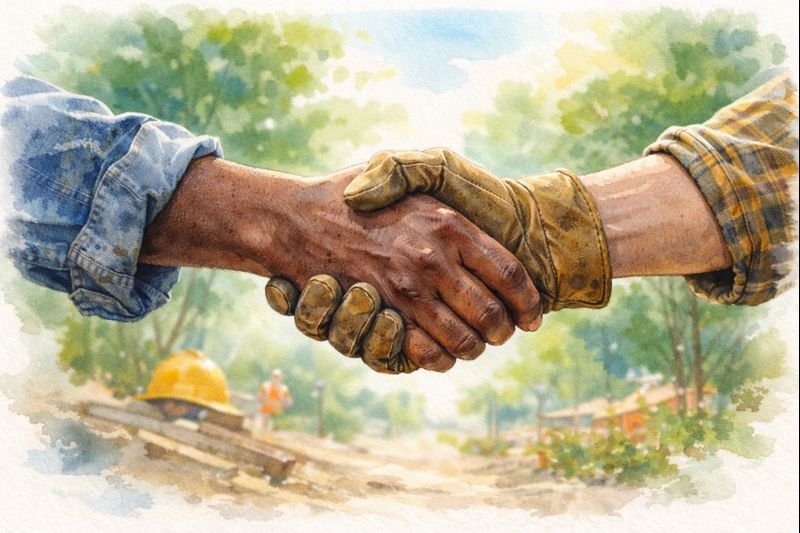
City votes and selects the developer. The selectee receives a tentative status for one year to prepare financing, construction design & build, legal & land transfer paperwork.
-
7. Community Design Completion
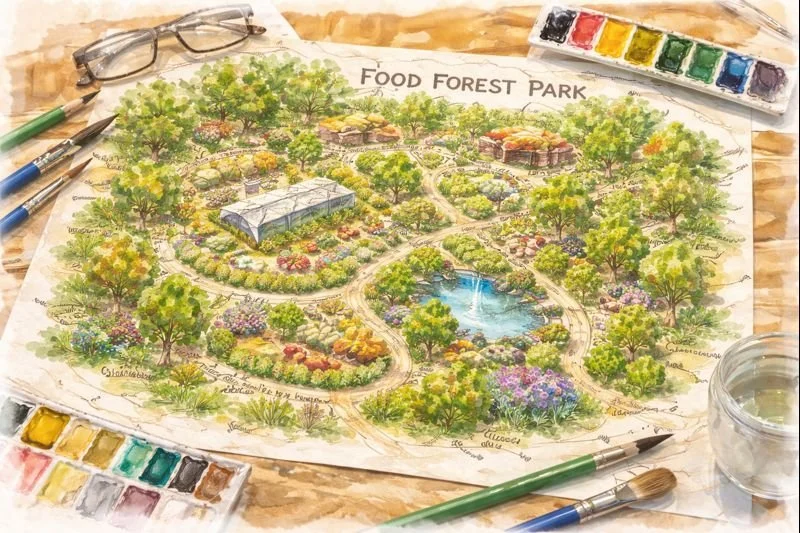
A community-developed concept plan is revised by designers into a final design. Construction documents for the food forest park are created and landscape contractors are selected.
Phase 3: Construction & Grand Opening
-
8. Construction
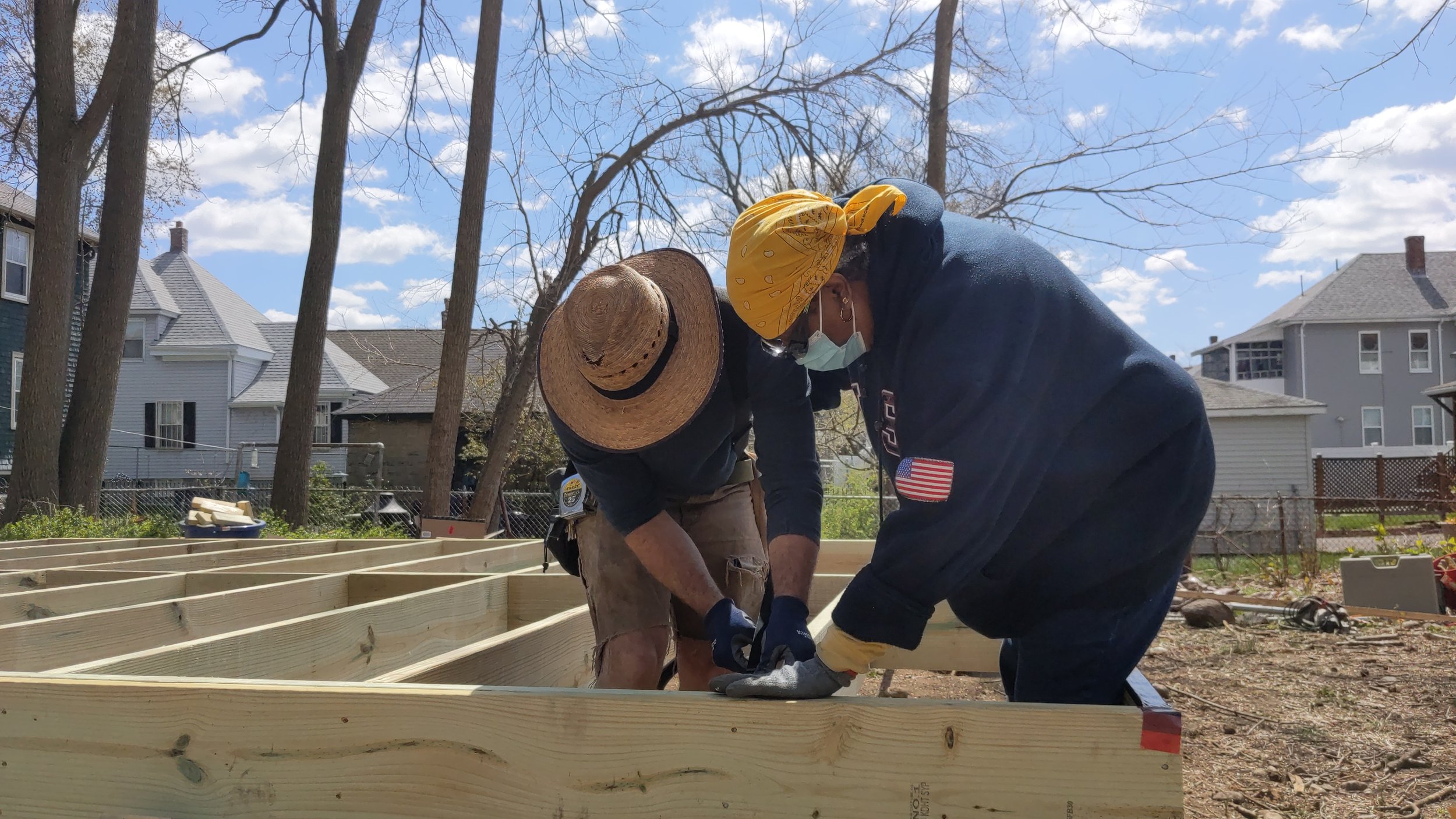
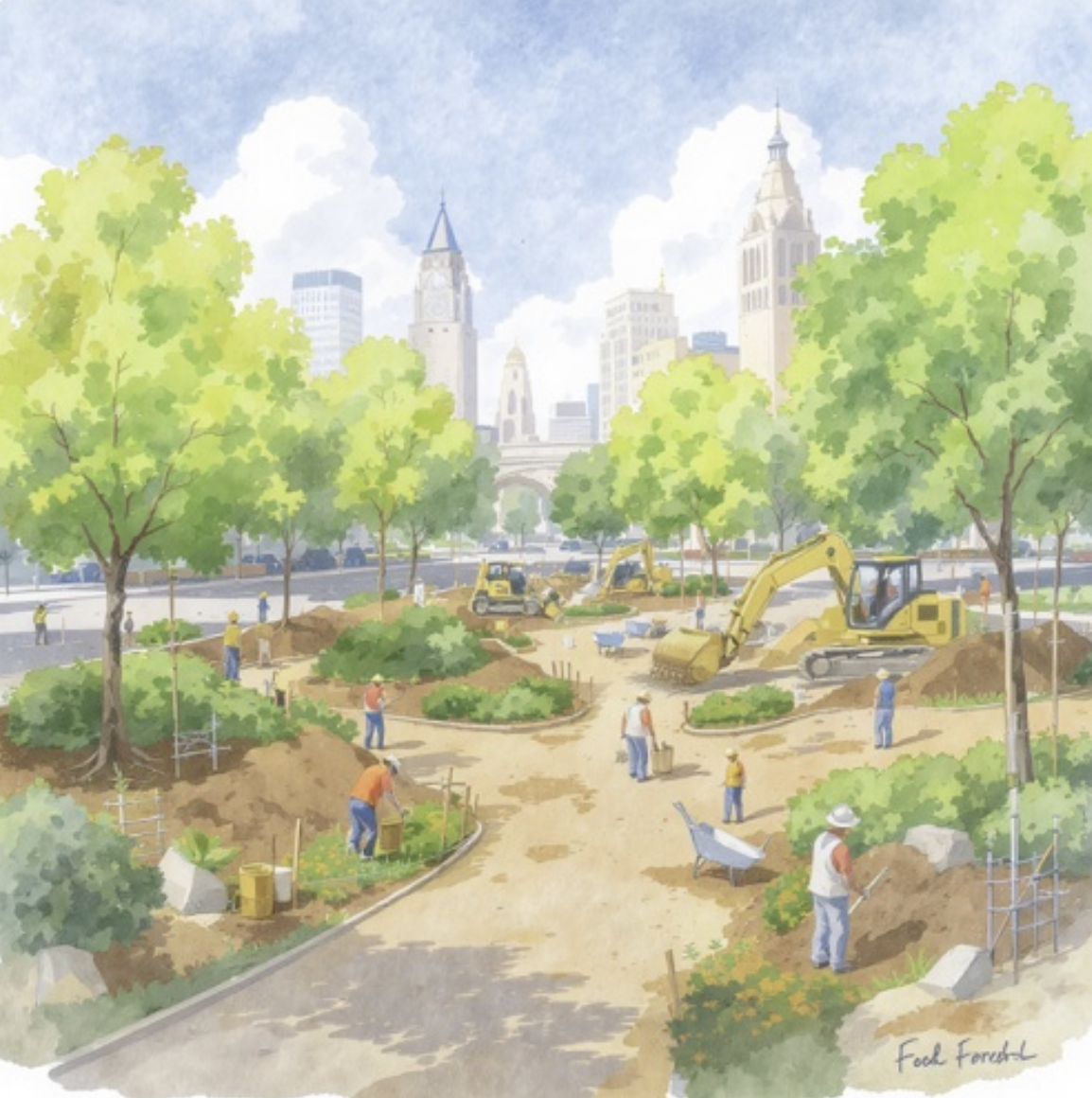
Construction begins. BFFC oversees construction and reports on progress to all partners. The community is invited to a planting day towards the end of construction.
-

9. Grand Opening
A special celebration to mark the opening of a new food forest park. This is held in collaboration with all the parties involved during the development process, as well as the wider community.
-

10. Open to Public
Once a park is open to the public, a whole new phase of work begins. The park is now stewarded by community, with programming and maintenance support from BFFC.
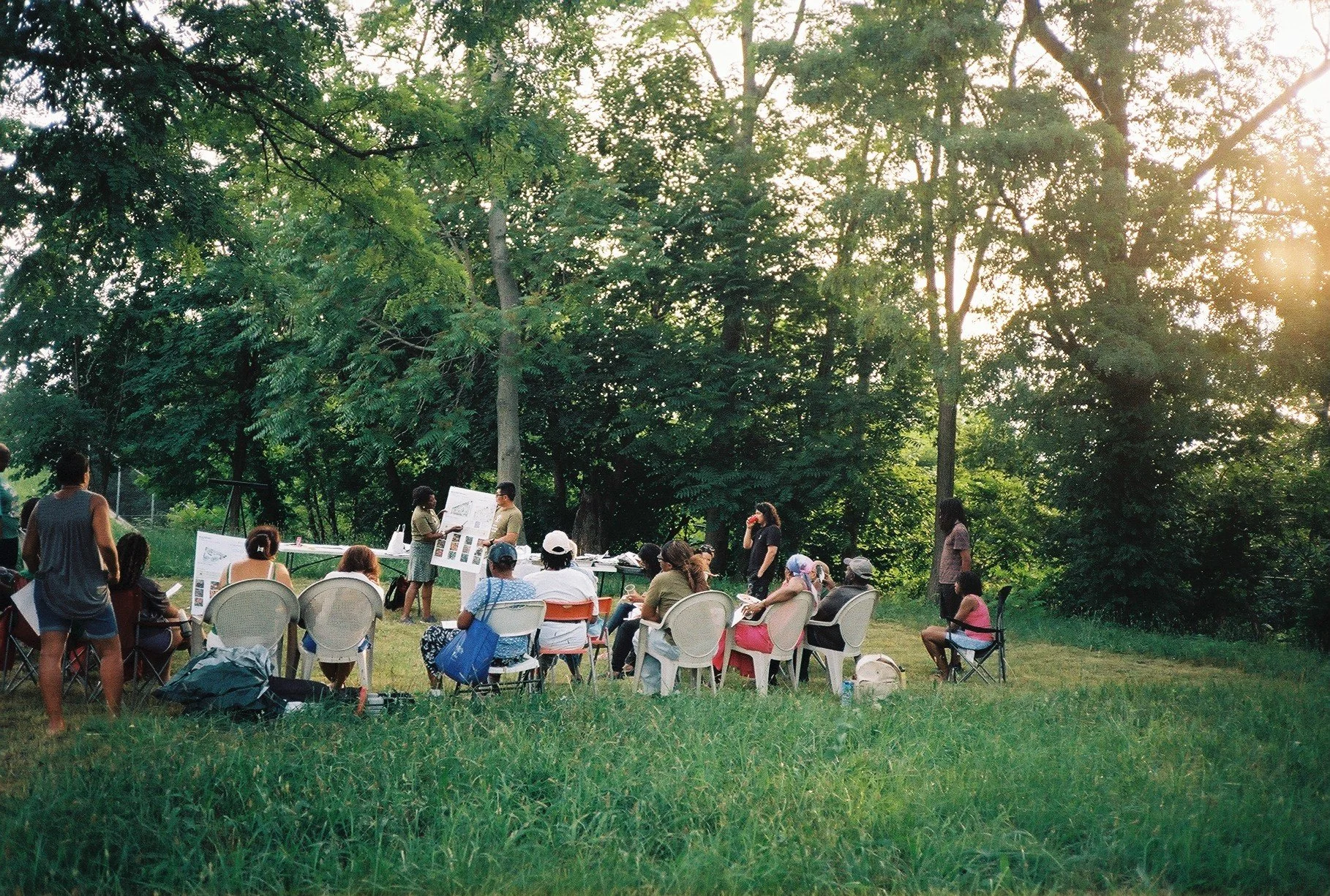
If you have a vacant parcel of land in your Boston neighborhood and want to explore the possibility of transforming it into a public, community-owned food forest park, we’d love to hear from you. Fill out the form below or email Mark Araujo, BFFC’s Community Engagement Manager at mark@bostonfoodforest.org.